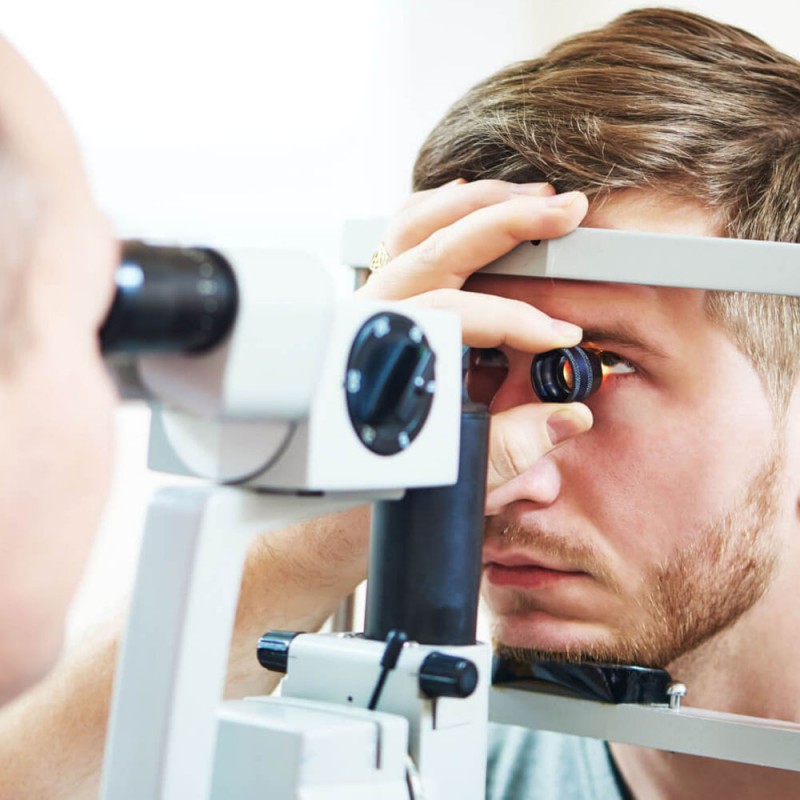
A Vision Test is a critical health assessment that evaluates an individual’s ability to see clearly and detect any potential issues with their eyesight. At Jay Ganesh Industrial Medical Services, we offer comprehensive Vision Tests to ensure the ocular health of your employees. Routine vision screenings are vital, particularly in industries where visual acuity is essential for safety and performance, such as in construction, transportation, and manufacturing.
Regular vision checks can help detect eye problems early on, preventing accidents, improving workplace safety, and ensuring your employees can perform their tasks effectively.
What is a Vision Test?
A Vision Test is a diagnostic procedure designed to assess various aspects of an individual’s vision, including visual acuity, depth perception, color vision, and peripheral vision. Vision tests help detect refractive errors (e.g., nearsightedness, farsightedness, astigmatism), eye diseases (such as glaucoma or cataracts), and other conditions that could impact an individual’s ability to see clearly and safely.
The test typically involves reading letters or symbols from an eye chart, undergoing color vision tests, and evaluating eye coordination and depth perception. Depending on the specific needs of the individual, additional tests may be performed to further assess vision health.
How Does a Vision Test Work?
During a Vision Test, employees are asked to read letters or numbers from an eye chart (usually from a distance of 20 feet). The test may assess several aspects of vision, including:
-
Visual Acuity: This measures the sharpness and clarity of vision. The most common test involves the Snellen eye chart, which consists of letters or symbols in different sizes. The individual will be asked to read the smallest line of letters they can see clearly with each eye.
-
Refraction: If the visual acuity test shows that an employee has reduced vision, a refraction test may be performed to determine if they need corrective lenses (glasses or contact lenses). This test measures how well the eyes focus light and is commonly done using a phoropter or automated refractor.
-
Color Vision Testing: Color blindness or color deficiencies can affect an employee’s ability to identify and differentiate colors. Color vision tests, such as the Ishihara test, assess the ability to perceive and differentiate between colors.
-
Peripheral Vision Testing: Peripheral vision (or side vision) is essential for overall awareness of one’s surroundings. In this test, employees focus on a central target and are asked to indicate when they see objects appear on the side. It helps detect issues with peripheral vision that could compromise safety.
-
Depth Perception Test: This test assesses the ability to judge distances and determine how far away objects are. Depth perception is important for employees involved in tasks that require accurate hand-eye coordination, such as driving, operating machinery, or handling delicate materials.
-
Eye Coordination and Muscle Function: This test checks how well the eyes work together and can detect any issues with eye movement, alignment, or focus. Conditions like strabismus (crossed eyes) or amblyopia (lazy eye) can impair this function.
Why Vision Tests are Important for Occupational Health:
-
Safety and Accident Prevention: Vision is crucial for workplace safety, especially in environments where employees are required to operate heavy machinery, drive vehicles, or work at heights. Reduced or impaired vision can increase the risk of accidents, injuries, and errors. Regular vision tests ensure that employees can detect hazards early and respond quickly to avoid accidents.
-
Regulatory Compliance: Certain industries and jobs require regular vision tests as part of health and safety regulations. For example, drivers, pilots, and machine operators must meet specific vision standards to ensure they can perform their roles safely. Regular vision screenings help businesses comply with these regulatory requirements and avoid legal issues related to safety.
-
Improved Productivity and Performance: Poor vision can lead to difficulties in reading, focusing, or completing tasks efficiently. By identifying and addressing vision problems early, businesses can help employees maintain their productivity, reduce strain, and improve performance in their tasks.
-
Early Detection of Eye Diseases: Regular vision tests can detect eye conditions like glaucoma, cataracts, macular degeneration, or diabetic retinopathy, which may not show obvious symptoms initially. Early detection of these conditions can prevent further damage and help employees seek timely medical treatment.
-
Identifying Refractive Errors: Many employees may have refractive errors (such as nearsightedness, farsightedness, or astigmatism) without even realizing it. These conditions can impair their ability to perform daily tasks and put their safety at risk. A vision test can identify the need for corrective lenses, improving overall quality of life and workplace performance.
-
Cost Savings for Employers: Addressing vision problems early can help prevent long-term complications that may result in higher medical costs and lost work time. By offering regular vision screenings, employers can help reduce absenteeism and healthcare expenses, while improving overall employee well-being.
Common Conditions Detected by Vision Tests:
-
Nearsightedness (Myopia): A condition where distant objects appear blurry, but close objects are seen clearly. This is commonly corrected with glasses or contact lenses.
-
Farsightedness (Hyperopia): A condition where close objects appear blurry, while distant objects are clear. It can also be corrected with corrective lenses.
-
Astigmatism: A refractive error caused by an irregularly shaped cornea, leading to distorted vision at all distances.
-
Presbyopia: Age-related loss of the ability to focus on close objects, usually starting around age 40. It is typically corrected with reading glasses.
-
Color Blindness: A condition in which individuals have difficulty distinguishing between certain colors. It is usually inherited and can impact tasks that require the identification of color-coded information.
-
Glaucoma: A group of eye diseases that cause damage to the optic nerve and can lead to vision loss if left untreated. It is often asymptomatic in the early stages, which makes regular testing important.
-
Cataracts: Clouding of the lens in the eye that can cause blurry vision and difficulty seeing at night. It can be detected in a vision test and treated surgically if necessary.
-
Macular Degeneration: A condition that affects the central vision, making it difficult to see fine details. It is more common in older adults and can be detected during an eye exam.
-
Diabetic Retinopathy: A complication of diabetes that affects the blood vessels in the retina. It can cause vision loss if not managed properly and can be detected through a vision test.
At Jay Ganesh Industrial Medical Services, we provide comprehensive Vision Tests to ensure the eye health of your employees. By identifying visual impairments early, we help prevent accidents, improve safety, and ensure that your employees are performing at their best. Regular vision testing is essential for maintaining a productive, safe, and compliant workplace.
Contact us today to schedule a vision test for your workforce or to learn more about how we can support your employees' eye health!