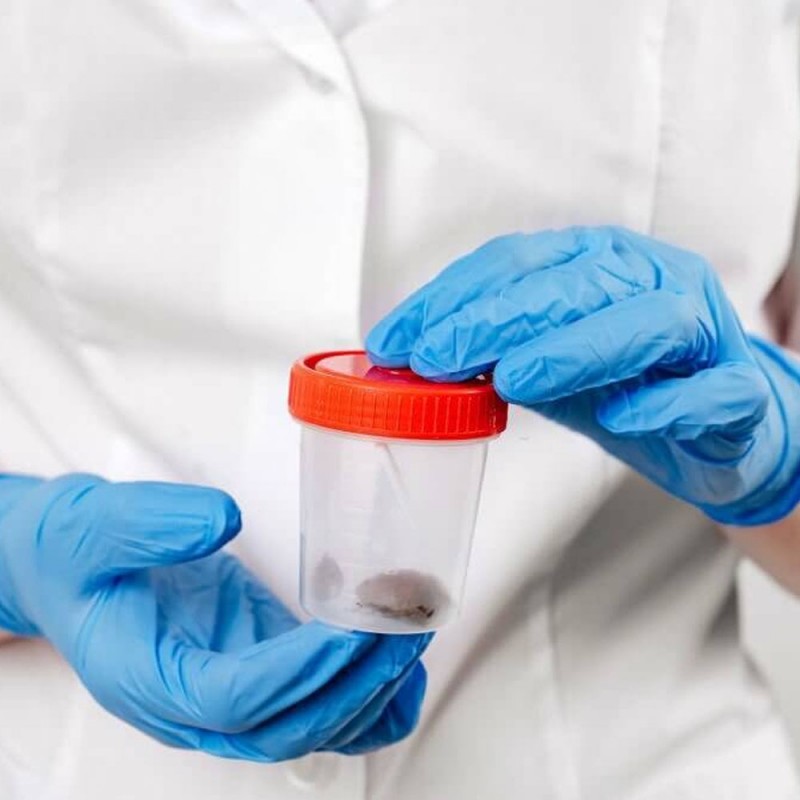
A Stool Test is an important diagnostic tool used to evaluate digestive health, detect infections, and identify underlying gastrointestinal disorders. At Jay Ganesh Industrial Medical Services, we provide comprehensive stool testing as part of our industrial medical services. Regular stool tests are essential for identifying infections, parasitic infestations, or conditions like gastrointestinal diseases, which could affect an employee’s health, productivity, and ability to perform their job safely.
What is a Stool Test?
A Stool Test involves the analysis of a small sample of stool (feces) to check for a range of health conditions. These conditions can include bacterial infections, parasitic infections, gastrointestinal diseases, and malabsorption issues. Stool tests are typically used to diagnose problems in the digestive system and are a non-invasive way to assess an individual’s gut health.
Types of Stool Tests We Offer:
-
Routine Stool Examination:
- Purpose: The routine stool examination is a general test used to assess digestive health and detect common gastrointestinal issues, such as infections or imbalances in gut flora.
- What It Checks For: This test looks for signs of digestive disturbances like blood, mucus, or unusual consistency. It also helps identify common infections caused by bacteria, viruses, or parasites. The test can help detect conditions like bacterial infections (e.g., Salmonella or E. coli), and gastrointestinal disorders such as colitis or irritable bowel syndrome (IBS).
-
Stool Culture Test:
- Purpose: A stool culture is used to detect bacterial infections in the gastrointestinal tract by growing and identifying harmful bacteria.
- What It Checks For: This test helps identify specific bacterial pathogens, such as Salmonella, Shigella, Campylobacter, or Clostridium difficile, that could be causing gastrointestinal symptoms like diarrhea, vomiting, or abdominal pain. Stool culture is especially useful for diagnosing foodborne illnesses or infections caused by contaminated water or food sources.
-
Parasitic Stool Examination (Ova and Parasites Test):
- Purpose: This test is used to detect the presence of parasitic infections in the digestive system, which can be common in regions with poor sanitation or in employees who work in environments with exposure to contaminated water or food.
- What It Checks For: The test looks for eggs (ova) and larvae of parasites, such as Giardia, Entamoeba histolytica, or Ascaris, which can cause gastrointestinal symptoms like diarrhea, bloating, nausea, and weight loss. Identifying parasitic infections early allows for prompt treatment and prevents the spread of these infections within the workplace.
-
Fecal Occult Blood Test (FOBT):
- Purpose: The FOBT checks for hidden (occult) blood in the stool, which can be an early sign of gastrointestinal bleeding or other underlying conditions.
- What It Checks For: The presence of occult blood in the stool may indicate conditions such as hemorrhoids, gastrointestinal ulcers, colorectal cancer, or polyps in the colon. Detecting blood in the stool early helps in identifying serious conditions, such as colorectal cancer, in the early stages, when treatment is more effective.
-
Fecal Fat Test:
- Purpose: This test is used to assess the ability of the digestive system to absorb fats from food, and it helps identify conditions like malabsorption syndromes or pancreatic insufficiency.
- What It Checks For: A high level of fat in the stool may indicate that the body is not properly absorbing fats, which can be a sign of conditions like celiac disease, Crohn's disease, cystic fibrosis, or pancreatic disorders. This test is important for employees who may have digestive issues or show signs of nutrient malabsorption.
-
Clostridium Difficile (C. Diff) Test:
- Purpose: This test checks for the presence of Clostridium difficile (C. diff), a harmful bacterium that can cause severe gastrointestinal infections.
- What It Checks For: C. diff infections are common in people who have recently been treated with antibiotics, and it can lead to symptoms like severe diarrhea, fever, and abdominal pain. The test is crucial for identifying and treating these infections promptly, particularly in high-risk environments such as healthcare or industrial workplaces.
-
Giardia Antigen Test:
- Purpose: This test is used to detect Giardia, a parasite that causes giardiasis, an intestinal infection.
- What It Checks For: The Giardia antigen test detects the presence of the parasite’s proteins in the stool, which is a sign of infection. Giardia is commonly contracted through contaminated water or food and can cause symptoms like diarrhea, abdominal cramps, bloating, and fatigue. This test is useful for employees working in environments with potential exposure to contaminated water sources.
-
Stool pH Test:
- Purpose: This test measures the pH level of the stool, which can provide important information about digestive health and the presence of gastrointestinal disorders.
- What It Checks For: A normal stool pH is slightly acidic, but a higher or lower pH level can indicate an imbalance in the gut or digestive issues, such as malabsorption, infections, or inflammatory conditions like Crohn’s disease. Monitoring stool pH helps identify potential gastrointestinal problems before they affect an employee’s ability to work.
Why Stool Tests are Important for Occupational Health:
-
Early Detection of Gastrointestinal Infections and Disorders: Stool tests are essential for identifying infections or digestive disorders that can lead to chronic discomfort or more severe health problems. Early detection allows for prompt treatment, reducing the risk of these conditions affecting an employee’s health and work performance.
-
Prevention of Workplace Illnesses: In many industrial settings, employees may be exposed to contaminated food or water, or work in environments with poor hygiene practices. Stool tests help detect foodborne illnesses, parasitic infections, or bacterial infections early, preventing the spread of these diseases within the workplace and reducing the risk of outbreaks.
-
Ensuring Employee Wellness and Productivity: Gastrointestinal conditions, such as infections, ulcers, or malabsorption disorders, can cause symptoms like diarrhea, nausea, bloating, and abdominal pain. These symptoms can significantly affect an employee’s energy levels, concentration, and overall productivity. Regular stool tests help identify any gastrointestinal issues, ensuring that employees stay healthy and fit for work.
-
Preventing Long-Term Health Issues: Many gastrointestinal conditions, such as colon cancer or chronic infections, can be asymptomatic in the early stages but become serious if left untreated. Stool tests, especially tests for occult blood or parasites, can detect these conditions early, allowing for timely medical intervention and reducing the risk of long-term health problems.
-
Regulatory Compliance: In certain industries, regular health checks, including stool tests, may be required to meet regulatory health and safety standards. These tests ensure that employees are not suffering from contagious infections that could pose a risk to others in the workplace.
At Jay Ganesh Industrial Medical Services, we offer a wide range of Stool Tests to ensure the health and well-being of your employees. From detecting infections to diagnosing digestive disorders and screening for hidden blood, stool tests provide essential information for maintaining a healthy, productive workforce. By offering regular stool testing as part of your industrial health program, we help identify potential health risks early and ensure that your employees are fit for work.
Contact us today to schedule a stool test or to learn more about how our services can benefit your business!