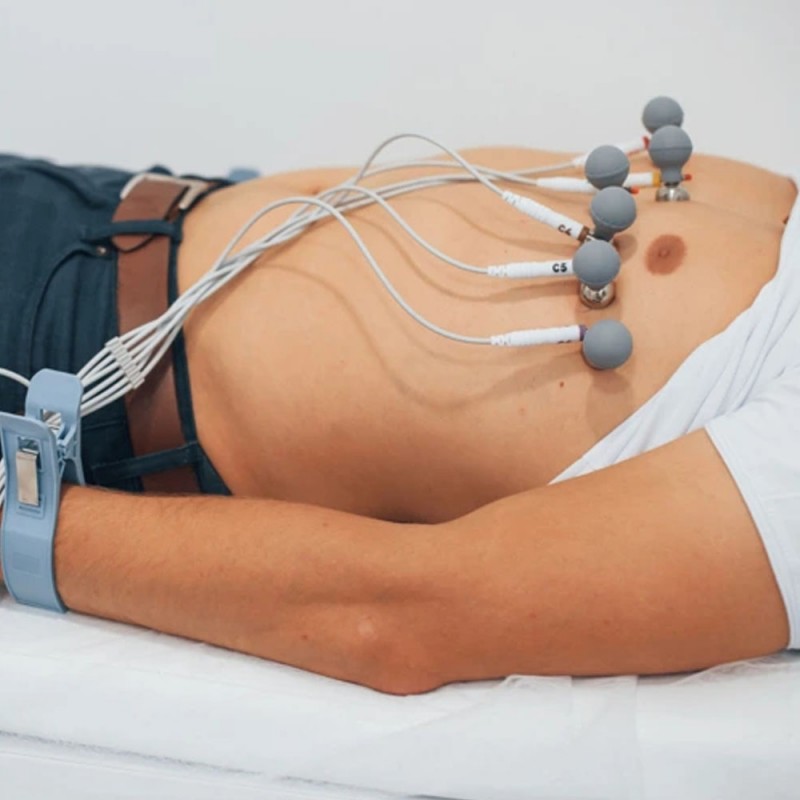
An ECG (Electrocardiogram) is a non-invasive diagnostic test that measures the electrical activity of the heart. It provides valuable information about the heart's rhythm, electrical impulses, and overall health. At Jay Ganesh Industrial Medical Services, we offer comprehensive ECG testing as part of our medical examination services to ensure your employees' heart health is monitored regularly. Early detection of heart conditions through ECG can prevent more serious issues, reducing the risk of workplace accidents and improving overall productivity.
What is an ECG?
An ECG is a simple, quick, and painless test that records the electrical signals in the heart. These signals trigger heartbeats, and an ECG displays them as waveforms on a graph, allowing healthcare professionals to evaluate the heart’s rhythm, rate, and electrical activity. The test helps detect various heart conditions, including arrhythmias, heart attacks, and other cardiovascular issues.
How Does an ECG Work?
During an ECG, small, sticky electrodes are placed on specific areas of the skin—typically on the chest, arms, and legs. These electrodes detect the electrical impulses produced by the heart and transmit them to an ECG machine. The machine then records these electrical signals as waveforms on a screen or paper. The resulting ECG tracing provides valuable information regarding the heart’s function and can be analyzed by a healthcare professional to diagnose any abnormalities.
Types of ECG Tests We Offer:
-
Resting ECG:
- Purpose: A Resting ECG is the most common type of ECG, performed while the patient is lying down in a relaxed position. It is used to assess the heart's basic electrical activity and rhythm at rest.
- What It Checks For: This test can detect arrhythmias, signs of a heart attack, ischemia (reduced blood flow to the heart), and other heart-related conditions that may not be immediately apparent during normal activity.
-
Stress ECG (Exercise ECG):
- Purpose: A Stress ECG is performed while the employee is walking or exercising on a treadmill or stationary bike. This test evaluates the heart's performance under physical stress and helps assess cardiovascular fitness and endurance.
- What It Checks For: It helps detect heart problems that may only manifest when the heart is under exertion, such as exercise-induced arrhythmias, heart disease, or issues with heart rate and rhythm during physical activity. This test is particularly important for employees in physically demanding roles to ensure they are fit for the job.
-
24-Hour Holter Monitor (Ambulatory ECG):
- Purpose: A Holter Monitor is a portable ECG device worn by the employee for 24 to 48 hours, continuously monitoring the heart's electrical activity during normal daily activities.
- What It Checks For: This test is useful for detecting intermittent heart rhythm issues, such as arrhythmias, that may not occur during a short ECG. It provides a more comprehensive view of the heart's performance over an extended period, especially during periods of physical activity, sleep, or stress.
-
Event Monitor (Loop Recorder):
- Purpose: An Event Monitor is a small device that records the heart’s electrical activity when the patient experiences symptoms, such as dizziness or palpitations. Unlike the Holter monitor, it only records when activated by the user or when the device detects abnormal heart rhythms.
- What It Checks For: This test is helpful in diagnosing occasional irregular heartbeats or other symptoms that occur infrequently. It is ideal for employees who experience brief episodes of chest pain, dizziness, or irregular heartbeats.
Why ECGs are Important for Occupational Health:
-
Early Detection of Heart Problems: ECGs are crucial for identifying heart conditions in their early stages, such as arrhythmias, heart attacks, or ischemic heart disease. Early detection allows for timely intervention, reducing the risk of sudden medical emergencies, which could be dangerous in a workplace setting.
-
Assessing Cardiovascular Fitness for High-Risk Jobs: Certain jobs, such as those in physically demanding environments or safety-critical roles, place a significant strain on the cardiovascular system. Regular ECG testing helps assess an employee's heart health and fitness for work, ensuring that individuals are not at risk of heart-related incidents while performing their duties.
-
Monitoring for Stress-Induced Heart Conditions: Stress, both physical and emotional, can impact heart health, potentially triggering arrhythmias or other heart conditions. Stress ECG tests help monitor how the heart performs under exertion, providing a clear picture of how an employee’s heart reacts to physical stress, which is crucial for those working in high-pressure or physically strenuous roles.
-
Preventing Sudden Cardiac Events: Heart conditions, such as arrhythmias or heart attacks, may not always present symptoms. ECGs are vital for detecting these issues before they lead to serious incidents, helping to prevent sudden cardiac events that could cause accidents or fatalities in the workplace.
-
Employee Wellness and Productivity: Heart-related issues can severely affect an employee’s performance, energy levels, and overall ability to work. Regular ECG screenings ensure that employees are in good cardiovascular health, which in turn supports sustained productivity and minimizes the risk of health-related work absences.
-
Regulatory Compliance: In many industries, particularly those with high-risk or safety-sensitive jobs (e.g., transportation, heavy machinery operation), monitoring the health of employees through routine ECG tests may be a regulatory requirement to ensure the safety of workers and the workplace.
Common Conditions Detected by an ECG:
- Arrhythmias: Abnormal heart rhythms that can lead to palpitations, dizziness, or even sudden cardiac arrest.
- Heart Attack (Myocardial Infarction): An ECG can detect signs of a past heart attack or ongoing heart damage.
- Ischemia: Reduced blood flow to the heart muscles, which could lead to chest pain or heart attacks.
- Electrolyte Imbalance: Electrolyte disturbances (e.g., low potassium) can affect the heart’s electrical activity and be detected through an ECG.
- Heart Disease: Chronic conditions, such as coronary artery disease, can be assessed through ECG for potential heart damage or risks.
At Jay Ganesh Industrial Medical Services, we offer comprehensive ECG testing as part of our health screening services to ensure the cardiovascular health of your employees. By detecting heart-related issues early, we help prevent emergencies and promote a healthier, safer workplace. Whether it’s a basic resting ECG, stress ECG, or continuous monitoring with a Holter device, we provide the tools to assess and manage your employees’ heart health effectively.
Contact us today to schedule an ECG test or learn more about how we can help maintain the health and safety of your workforce!