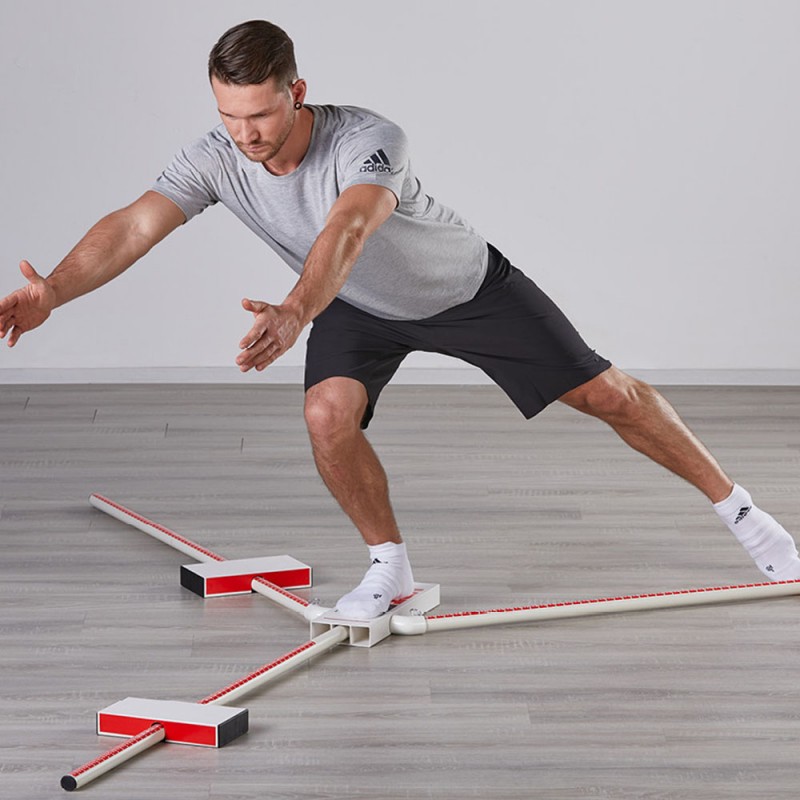
The Climbing Vertigo Test is a specialized medical evaluation designed to assess an individual’s ability to withstand the physical and mental challenges of working at heights. This test is particularly important for employees working in environments such as construction, maintenance, oil rigs, telecommunications, and any job requiring climbing or working at elevated positions. The Climbing Vertigo Test helps to identify individuals who may experience vertigo (dizziness or balance issues) when exposed to heights, ensuring that only those who are physically and mentally fit for these roles are assigned tasks that involve climbing.
At Jay Ganesh Industrial Medical Services, we offer a thorough Climbing Vertigo Test to help businesses ensure workplace safety and regulatory compliance, while also safeguarding employee health. By identifying potential vertigo or balance issues early, you can reduce the risk of accidents, injuries, and lost productivity.
What is the Climbing Vertigo Test?
The Climbing Vertigo Test evaluates an individual’s tolerance to vertigo (dizziness) and their ability to maintain balance and stability when exposed to heights. Vertigo can be triggered by changes in altitude, visual stimuli, and the physical challenges of climbing. The test is designed to assess whether an individual is prone to dizziness, which could impair their performance and safety while working at heights.
The test typically involves simulated climbing or standing at elevated positions to observe how the individual reacts to the change in height. The test checks for dizziness, disorientation, and loss of balance, which can be dangerous if not identified beforehand.
Why is the Climbing Vertigo Test Important?
-
Ensures Safety at Heights: For employees who are required to work at significant heights, such as on scaffolding, ladders, towers, or rooftops, vertigo or balance issues can be hazardous. A person experiencing dizziness while working at height can fall, leading to severe injuries or even fatalities. The test helps to prevent such incidents by ensuring that only individuals who are physically capable of handling heights are assigned to these roles.
-
Prevents Accidents and Injuries: Vertigo or dizziness can impair an individual's ability to focus, react to hazards, or maintain coordination while working at heights. By detecting balance issues early, employers can prevent accidents and protect their workforce from preventable injuries.
-
Compliance with Safety Standards: Many regulatory bodies and industries have safety standards that require testing for employees who work at heights. The Climbing Vertigo Test ensures compliance with safety regulations, reducing the risk of non-compliance penalties or workplace safety violations.
-
Identifies Hidden Health Issues: Some individuals may not be aware that they are prone to vertigo or balance issues, particularly in specific situations like working at heights. This test helps identify hidden health problems that could affect an employee’s ability to perform their job safely.
-
Improves Employee Health and Well-Being: By identifying potential vertigo or balance issues early, companies can recommend medical interventions or alternative roles that are better suited for individuals who may not be fit to work at heights. This ensures that employees are not exposed to unnecessary risk and can work in environments that are better suited to their health.
What Does the Climbing Vertigo Test Involve?
The Climbing Vertigo Test generally involves a series of steps to simulate real-life situations in which employees are exposed to heights. The test includes the following:
-
Pre-Test Evaluation:
- Before the test begins, the individual undergoes a general medical check-up to assess their health status. This may include reviewing their medical history and any prior incidents of dizziness or vertigo.
-
Simulated Climbing or Height Exposure:
- The employee is gradually exposed to a height, either by physically climbing a ladder or platform or using simulated height exposure. This can involve standing at different heights, sometimes with safety harnesses, to test how the individual’s body responds to height-related stress.
-
Monitoring for Symptoms:
- During the test, the trainer or medical professional monitors the individual for signs of vertigo, dizziness, or loss of balance. The individual is asked to describe any sensations of dizziness, lightheadedness, nausea, or unsteadiness they experience while exposed to the height.
-
Assessment of Balance and Coordination:
- The individual’s ability to maintain balance, move safely, and stabilize themselves at different heights is evaluated. This includes walking, turning, and standing still while exposed to height-related challenges.
-
Post-Test Evaluation:
- After completing the test, the individual is assessed for any lingering effects of vertigo, dizziness, or nausea. Their ability to recover and function normally is observed to ensure that there are no long-term effects from the exposure.
-
Final Recommendations:
- Based on the results of the test, the individual may be cleared to work at heights or advised against it if vertigo or balance issues are detected. In some cases, additional medical tests or treatments may be recommended to help address balance problems.
Symptoms and Signs of Vertigo or Balance Issues:
During the Climbing Vertigo Test, symptoms of vertigo or balance issues may include:
- Dizziness or Lightheadedness: Feeling faint, unsteady, or as if the environment is spinning.
- Nausea or Vomiting: Feeling nauseous or vomiting due to a disruption in balance or dizziness.
- Loss of Balance: Inability to stand or move steadily, resulting in difficulty walking or standing at heights.
- Disorientation: Feeling confused, unsure, or disoriented when exposed to height-related stressors.
- Sweating or Rapid Heartbeat: Physical responses to fear or stress when exposed to height-related stimuli.
Who Should Take the Climbing Vertigo Test?
The Climbing Vertigo Test is recommended for:
- Employees in Height-Intensive Jobs: Individuals working in industries such as construction, telecommunications, electrical work, and maintenance where working at heights is a routine requirement.
- New Hires for Height-Related Roles: Employees who are about to begin work in roles that require climbing or working at elevated positions should undergo the test to ensure they are physically and mentally fit for the job.
- Workers Returning to Height-Related Tasks: Employees who may have had previous health conditions or injuries that affect their balance should take the test before resuming height-intensive tasks.
- Employees Reporting Balance Issues: If an employee reports symptoms of dizziness or vertigo in normal working conditions, it is important to conduct this test to determine whether they should be assigned tasks involving heights.
At Jay Ganesh Industrial Medical Services, we provide a thorough Climbing Vertigo Test to ensure your employees are fit to work safely at heights. By detecting potential vertigo or balance issues early, we help prevent workplace accidents, ensure regulatory compliance, and promote employee well-being. This test is essential for industries where working at heights is a routine part of the job and can significantly reduce the risks associated with vertigo-related accidents.
Contact us today to schedule a Climbing Vertigo Test for your team and ensure a safer, more productive workplace.