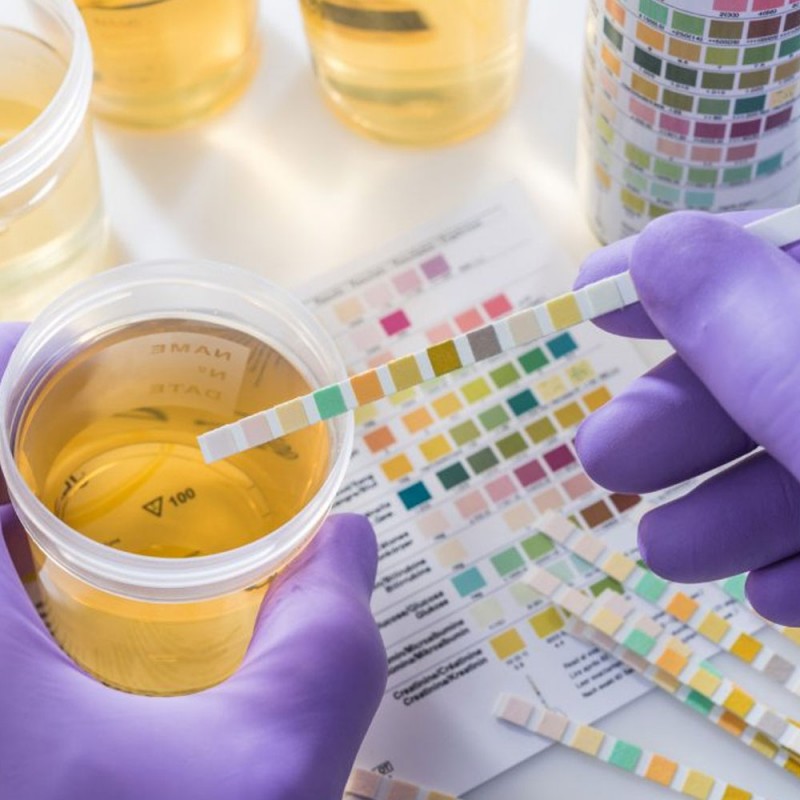
A Urine Test is a simple, non-invasive diagnostic tool that provides valuable insights into an employee’s health. It helps identify a wide range of health conditions, from urinary tract infections (UTIs) to more serious issues such as kidney disease, diabetes, and liver disorders. At Jay Ganesh Industrial Medical Services, we offer comprehensive urine testing services as part of our occupational health checkups. These tests help detect potential health concerns early, ensuring your employees remain fit for work and reducing the risk of workplace accidents and medical emergencies.
What is a Urine Test?
A Urine Test involves the analysis of a urine sample to assess the presence of various substances or abnormalities. The test helps in detecting a variety of health conditions that could affect an employee’s ability to perform their job duties safely and efficiently. Urine tests are quick, cost-effective, and provide important information about the body’s metabolism, hydration levels, and overall organ function.
Types of Urine Tests We Offer:
-
Routine Urine Analysis (Urinalysis):
- Purpose: A routine urinalysis checks the general health status and can help detect a wide range of conditions, including infections, kidney disease, and diabetes.
- What It Checks For: The test looks for color, clarity, and specific gravity (which indicates the concentration of the urine). It also tests for the presence of substances such as glucose, proteins, red or white blood cells, and bacteria. Abnormal findings could indicate conditions like dehydration, urinary tract infections (UTIs), or kidney dysfunction.
-
Protein in Urine (Proteinuria Test):
- Purpose: This test measures the amount of protein in the urine, which can be an indicator of kidney disease.
- What It Checks For: High levels of protein in the urine (proteinuria) can signal kidney damage or dysfunction, especially in workers exposed to physical stress or those with underlying health conditions like diabetes. Proteinuria can also be an early sign of more serious issues, such as hypertension or heart disease.
-
Glucose in Urine (Glycosuria Test):
- Purpose: This test checks for the presence of glucose (sugar) in the urine, which is a key indicator of diabetes or prediabetes.
- What It Checks For: When blood glucose levels are high, the kidneys may not be able to filter all the glucose, causing it to appear in the urine. If glucose is detected, it may indicate that the employee has diabetes, a condition that requires monitoring and management to prevent complications like heart disease or vision problems.
-
Urine Culture and Sensitivity Test:
- Purpose: This test is used to identify urinary tract infections (UTIs) and determine which bacteria are causing the infection. It also helps to identify the most effective antibiotic treatment.
- What It Checks For: The test isolates bacteria from a urine sample to identify any infections present. UTIs are common, especially in environments where workers are exposed to physical stress or lack access to adequate hygiene facilities. If left untreated, UTIs can lead to more serious kidney or bladder infections.
-
Microscopic Examination:
- Purpose: This test involves examining the urine sample under a microscope to identify cells, crystals, or other substances that could indicate medical conditions.
- What It Checks For: The presence of red or white blood cells, bacteria, crystals, or epithelial cells in the urine can indicate infections, kidney stones, or other urinary tract problems. Microscopic examination provides detailed information that may not be visible through routine testing.
-
Urine pH Test:
- Purpose: This test measures the pH level (acidity or alkalinity) of the urine, which can provide information about diet, hydration status, or kidney function.
- What It Checks For: A normal pH level for urine is typically between 4.5 and 8. A pH outside of this range may indicate an underlying condition, such as a urinary tract infection, kidney disease, or issues related to diet (e.g., high protein intake or dehydration).
-
Urine Toxicology (Drug Screening):
- Purpose: Urine drug tests are commonly used to screen for illicit drug use, alcohol consumption, or other substances that could impair an employee's ability to work safely.
- What It Checks For: The test detects the presence of substances such as marijuana, cocaine, opioids, amphetamines, and other commonly abused drugs. Drug testing is crucial for maintaining workplace safety, especially in industries where employees operate heavy machinery or work in safety-sensitive environments.
-
Bilirubin in Urine:
- Purpose: Bilirubin is a substance produced during the breakdown of red blood cells, and its presence in urine can indicate liver dysfunction.
- What It Checks For: If bilirubin is found in the urine, it may suggest liver diseases such as hepatitis or cirrhosis, which can affect an employee's overall health and productivity. Early detection of bilirubin in urine allows for timely medical intervention and management.
Why Urine Tests are Important for Occupational Health:
-
Early Detection of Health Conditions: Urine tests can detect a range of conditions like kidney disease, diabetes, or urinary tract infections before symptoms develop. Early detection allows for timely medical intervention, preventing the condition from worsening and affecting the employee’s work performance.
-
Monitoring Kidney and Liver Health: Kidney and liver health are critical for overall well-being, and both organs can be affected by occupational factors such as exposure to toxins, physical strain, or dehydration. Regular urine tests help monitor kidney function and detect potential liver problems before they impact an employee’s ability to work.
-
Prevention of Infections and Complications: Urine tests can identify infections, such as UTIs, which are common in many industries. If untreated, infections can lead to more serious complications like kidney damage or sepsis. By detecting these infections early, urine tests help reduce the risk of long-term health issues and work-related absences.
-
Employee Safety and Productivity: Many conditions that can be detected through urine tests, such as diabetes, kidney disease, and urinary tract infections, can impair an employee’s performance, energy levels, and ability to work safely. Monitoring these conditions ensures that employees are fit for their roles, reducing the risk of accidents or productivity losses due to health issues.
-
Regulatory Compliance: In certain industries, such as transportation or construction, drug and alcohol testing is mandatory for regulatory compliance. Regular urine drug screenings ensure that employees are not under the influence of substances that could impair their judgment, reflexes, or ability to operate machinery safely.
At Jay Ganesh Industrial Medical Services, we provide a comprehensive range of Urine Tests to monitor the health of your employees and ensure they remain fit for work. Whether it’s detecting infections, monitoring kidney and liver health, or screening for drug use, urine tests offer valuable insights that can help improve workplace safety, reduce absenteeism, and maintain productivity. By offering routine urine tests as part of your employee health program, we help create a safer, healthier work environment for everyone.
Contact us today to schedule a urine test or learn more about how our services can benefit your business!