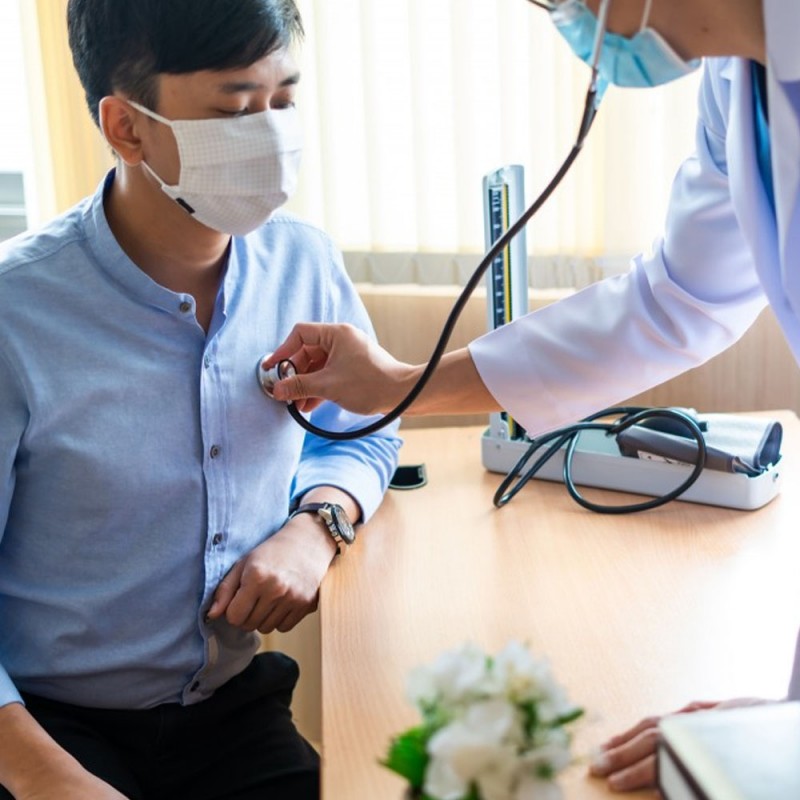
Clinical examinations are essential in assessing the general health and physical fitness of employees. Regular monitoring of basic health metrics like height, weight, and blood pressure plays a crucial role in identifying potential health issues early, ensuring that workers are fit to perform their tasks safely and effectively. At Jay Ganesh Industrial Medical Services, we offer comprehensive clinical examinations to ensure the well-being of your workforce, helping to prevent the risk of workplace-related health complications.
Height Measurement:
-
Purpose: Height is an important baseline measurement for evaluating overall growth and development. While height may not vary significantly for most adults, tracking this metric can be useful for identifying potential issues related to posture, skeletal health, or nutritional concerns. It also serves as a reference for other health assessments (like BMI) that provide insight into body composition and risk factors for certain health conditions.
-
Method: Height is measured using a standardized height scale with the individual standing straight against a wall or a height-measuring device. Accurate measurement is crucial, as it forms the foundation for other assessments, such as calculating Body Mass Index (BMI).
Weight Measurement:
-
Purpose: Monitoring an employee’s weight is a key indicator of overall health. Weight provides valuable insight into a person’s nutritional status and can help identify obesity, underweight conditions, or significant fluctuations that may be linked to underlying health issues. Excessive weight gain or loss can be indicative of medical conditions that may affect a person’s ability to work efficiently and safely.
-
Method: Weight is measured using a calibrated, professional weighing scale. This provides an accurate reading and helps in identifying any immediate concerns related to weight gain or loss that might need further medical attention or intervention.
-
Importance in Occupational Health: Obesity, being overweight, or significant weight loss can affect an employee’s ability to perform certain tasks. For example, heavy lifting may become more difficult for employees with excess weight, and those who are underweight may lack the necessary energy and strength to complete demanding tasks. Monitoring weight regularly allows for early detection and prevention of conditions like hypertension, diabetes, and musculoskeletal disorders.
Blood Pressure (B.P.) Measurement:
-
Purpose: Blood pressure is one of the most important vital signs that indicates how well the heart and blood vessels are functioning. High blood pressure (hypertension) and low blood pressure (hypotension) are both serious conditions that can lead to a range of health complications, including heart disease, stroke, and kidney failure. Regular monitoring of blood pressure in the workplace is essential to detect early signs of these conditions and intervene before they escalate.
-
Method: Blood pressure is measured using an automatic or manual sphygmomanometer, which includes a cuff wrapped around the upper arm. The cuff is inflated to temporarily stop blood flow, and then the pressure is gradually released while a stethoscope or electronic sensor is used to detect the heartbeats. The result is given in two numbers: systolic (the top number) and diastolic (the bottom number), representing the pressure when the heart is contracting and when it is resting, respectively.
-
Importance in Occupational Health: Blood pressure is a critical factor for determining whether an employee is at risk for serious health issues. High blood pressure can lead to fatigue, dizziness, headaches, and, in extreme cases, heart attacks or strokes. Monitoring and controlling blood pressure is crucial for ensuring that employees can perform their duties safely and without the risk of sudden medical emergencies. For example, workers who experience dizziness or fainting due to blood pressure issues may be at risk in high-risk environments, such as working at heights or operating heavy machinery.
Why Clinical Examination of Height, Weight, and Blood Pressure is Important in the Workplace:
-
Prevention of Health Risks: Regularly measuring height, weight, and blood pressure helps identify employees who may be at risk for conditions such as obesity, hypertension, and metabolic disorders. Early detection allows for timely interventions, including lifestyle modifications, medical treatment, or referral to a specialist.
-
Safety in the Workplace: Health conditions like high blood pressure or obesity can significantly impact an employee’s ability to work safely. For example, individuals with untreated hypertension are at an increased risk for heart attacks or strokes, which can lead to sudden medical emergencies while at work. Ensuring that employees maintain optimal health reduces the likelihood of such incidents occurring and promotes a safer, more productive workplace.
-
Regulatory Compliance: Monitoring employee health is also essential for staying compliant with health and safety regulations in industries where physical fitness is critical for task performance. Certain industries, such as manufacturing, construction, and mining, require employees to undergo regular health checks to ensure that they are fit for duty and capable of performing tasks without risking their health or safety.
-
Improved Productivity and Well-being: Regular health assessments not only prevent health issues but also contribute to the overall well-being of your workforce. Employees who feel well and healthy are more productive, engaged, and satisfied in their roles. By offering routine health checks, employers can help employees stay in peak condition, which directly contributes to the success of the business.
At Jay Ganesh Industrial Medical Services, our Clinical Examination (Height, Weight & Blood Pressure) service plays a vital role in maintaining the health and safety of your workforce. By regularly monitoring these key health indicators, we help detect early signs of potential issues, ensure that employees are fit for their roles, and reduce the risk of workplace accidents and health-related absences. This service is an essential component of your workplace health strategy and is a proactive step toward fostering a healthier, more productive working environment.