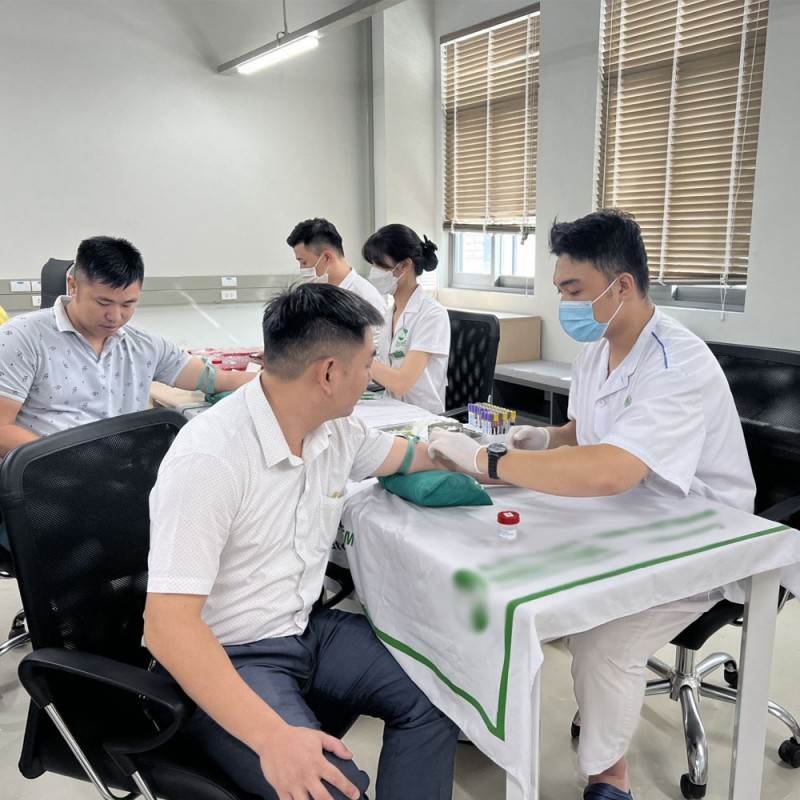
A General Examination is a crucial part of any comprehensive medical assessment, providing a broad overview of an employee’s overall health status. At Jay Ganesh Industrial Medical Services, we offer thorough general examinations as part of our industrial health services, ensuring that your workforce is fit for work and free from conditions that could impact their ability to perform safely and effectively. This examination helps detect potential health issues that might otherwise go unnoticed, allowing for early intervention and a healthier, safer work environment.
What is a General Examination?
A General Examination involves a systematic and complete physical assessment of the body to evaluate an employee's overall health. It includes checking various vital signs, observing physical signs of illness or abnormalities, and assessing the functioning of different body systems. The general examination serves as a baseline to monitor health changes over time and identify any conditions that could affect the employee’s ability to perform their work duties.
Key Components of a General Examination:
-
Medical History Review:
- Purpose: The first step in a general examination is gathering the patient’s medical history, including details of past illnesses, surgeries, family medical history, and any existing medical conditions (e.g., diabetes, hypertension, or allergies). This helps the healthcare provider assess potential risks and tailor the examination to the individual's needs.
- What We Look For: We assess any pre-existing health conditions that may affect an employee's ability to perform certain tasks, identify risks for occupational diseases, and understand any previous treatments that may influence current health.
-
Vital Signs Monitoring:
- Purpose: Vital signs provide an immediate overview of an individual’s basic physiological health. These include measurements such as heart rate, respiratory rate, temperature, and blood pressure. Monitoring these vital signs helps us quickly identify any acute medical conditions or abnormalities that require further investigation.
- What We Look For: We assess whether the heart rate, respiratory rate, and body temperature fall within the normal range and whether blood pressure is within healthy limits. Deviations from these norms could indicate underlying health conditions, such as cardiovascular issues or respiratory problems.
-
Physical Inspection and Palpation:
- Purpose: Physical inspection involves visually examining the body for any visible abnormalities, such as rashes, swelling, or deformities. Palpation, on the other hand, involves gently feeling areas of the body to check for any tenderness, swelling, or lumps.
- What We Look For: We check for signs of conditions such as joint inflammation, skin infections, or muscle strain that may affect an employee's ability to perform physically demanding tasks.
-
Musculoskeletal System Evaluation:
- Purpose: Assessing the musculoskeletal system (bones, joints, muscles) is essential, especially for employees engaged in manual labor, heavy lifting, or physically demanding work. Musculoskeletal injuries, including sprains, strains, or repetitive stress injuries, are common in many industrial sectors.
- What We Look For: We evaluate posture, joint flexibility, muscle strength, and joint mobility. Any signs of discomfort, restricted movement, or weakness are noted for further diagnosis and treatment if necessary.
-
Neurological Evaluation:
- Purpose: A basic neurological assessment is part of a general examination to evaluate an employee's mental and neurological health. This includes checking reflexes, coordination, balance, and cognitive function.
- What We Look For: We assess whether the nervous system is functioning correctly, looking for signs of neurological disorders that could impact an employee’s reaction time, balance, or ability to make quick decisions (important for safety-sensitive tasks).
-
Respiratory System Evaluation:
- Purpose: The respiratory system is evaluated to check for any signs of lung or breathing disorders, especially in employees working in environments where exposure to dust, chemicals, or airborne toxins is possible.
- What We Look For: We check for signs of shortness of breath, wheezing, or cough that might indicate respiratory conditions such as asthma, chronic obstructive pulmonary disease (COPD), or other occupational lung diseases.
-
Cardiovascular System Evaluation:
- Purpose: A cardiovascular examination checks the health of the heart and blood vessels, which is especially critical for workers in physically demanding roles or those with a family history of heart disease.
- What We Look For: We assess heart rate, rhythm, and blood pressure to detect conditions like arrhythmia, heart murmurs, or signs of hypertension, which can lead to serious conditions like heart attacks or strokes.
-
Skin and Hair Evaluation:
- Purpose: A thorough examination of the skin and hair is essential for detecting conditions such as infections, dermatitis, or signs of poor hygiene. Skin health is particularly important in industries that expose workers to harsh chemicals or extreme weather conditions.
- What We Look For: We look for rashes, irritations, lesions, or any signs of infection that may be a result of workplace conditions or hygiene practices.
-
Eyesight and Hearing Checks:
- Purpose: Since vision and hearing are critical senses for most workers, especially those operating machinery or working in high-risk environments, these sensory systems are examined as part of the general health assessment.
- What We Look For: We assess visual acuity and hearing ability to detect any impairments that might affect job performance or safety. Employees with poor vision or hearing may be at risk in certain industrial settings, such as working with machinery or in loud environments.
Why is a General Examination Important?
-
Early Detection of Health Issues: Regular general examinations help detect underlying health problems that may not present noticeable symptoms early on. Conditions such as high blood pressure, heart disease, respiratory issues, and musculoskeletal injuries can be identified and managed before they become more serious and lead to work disruptions or medical emergencies.
-
Ensuring Employee Fitness for Work: The general examination helps determine whether an employee is fit to perform the physical and mental demands of their job. By assessing key systems like the cardiovascular, respiratory, and musculoskeletal systems, we ensure that employees are capable of working safely without compromising their health or performance.
-
Prevention of Workplace Injuries and Accidents: By identifying potential health issues early on, a general examination helps reduce the risk of workplace injuries or accidents. For example, detecting joint issues or muscle weaknesses can help prevent strain injuries, while identifying vision or hearing problems can prevent accidents caused by impaired senses.
-
Regulatory Compliance: For industries where physical fitness is essential, such as construction, manufacturing, or heavy machinery operation, regular general health checks ensure that the workplace meets legal health and safety requirements. By proactively monitoring employees’ health, employers can stay in compliance with labor laws and avoid potential fines or legal issues.
-
Promoting Employee Well-being: A general examination encourages a culture of health and wellness within your organization. It demonstrates your commitment to employee well-being and helps build trust and satisfaction among your workforce, leading to improved morale and productivity.
At Jay Ganesh Industrial Medical Services, we provide comprehensive General Examinations to ensure that your employees are in optimal health and capable of performing their job duties safely. By offering regular check-ups, we help identify potential health risks early, reduce workplace accidents, and ensure that employees stay fit for work. This examination is a critical part of maintaining a healthy, productive, and compliant workforce, which ultimately contributes to the success of your business.